
Your Brain on Trauma
What actually happens inside — and why your reactions make complete sense. A six-step guide to understanding the neuroscience of trauma and healing.
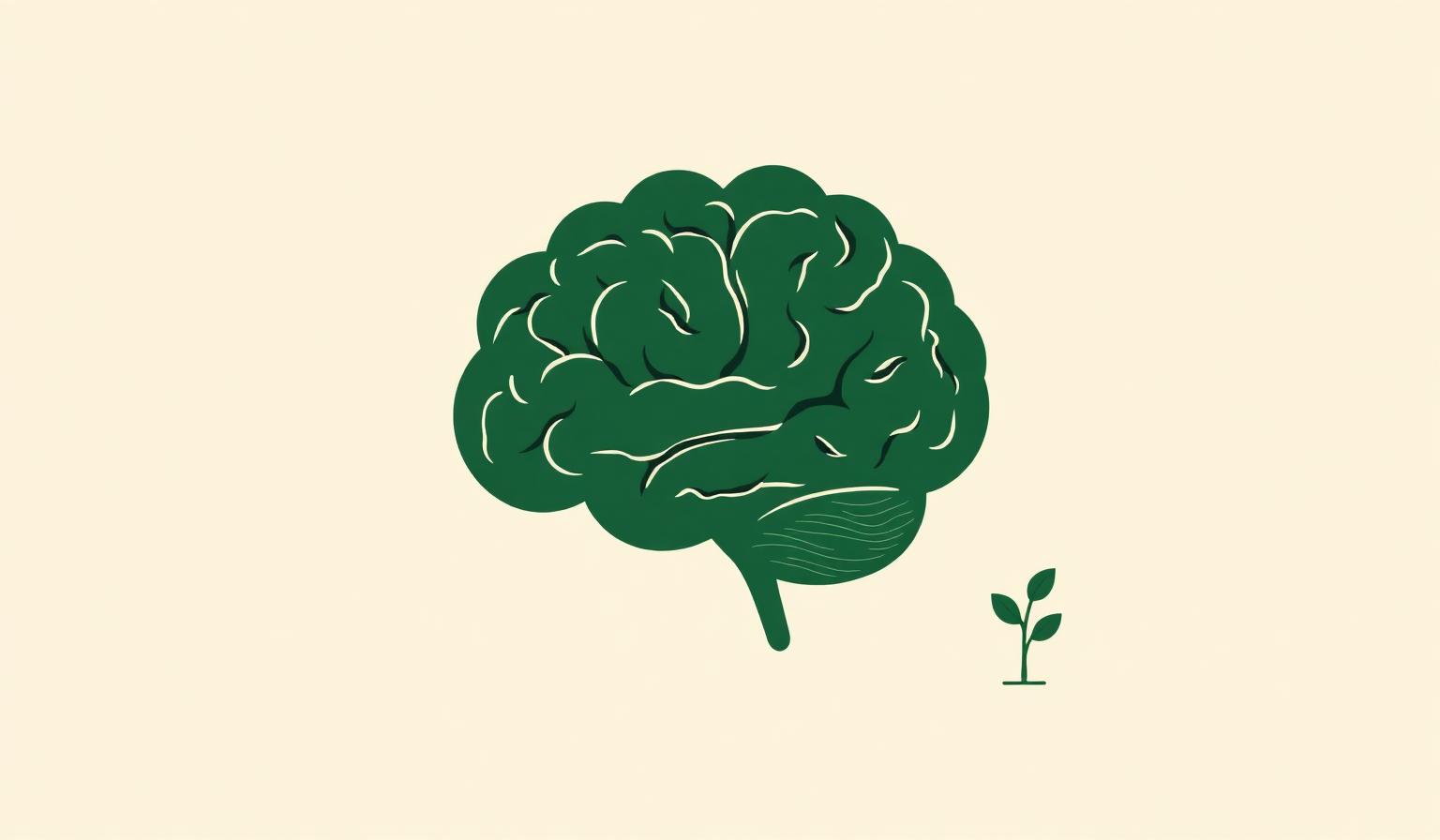
This guide uses simple illustrations to explain what actually happens in the brain when we experience something traumatic — and why our reactions make complete sense.
Trauma responses are not weakness. They are the nervous system doing exactly what it was designed to do — often just stuck at full volume, long after the danger has passed.
The good news? Brains can heal. New pathways can form. With the right support, the past can finally feel like the past.
Meet the Brain Team
Three regions. One important story.
When life is going well, three parts of the brain work together — noticing danger, making sense of it, and filing everything safely away.
- Amygdala — The Alarm Bell — Detects danger and fires the emergency response — instantly, automatically, no questions asked.
- Hippocampus — The Filing Clerk — Tags memories with time and context so they can be stored as past events, not present threats.
- Prefrontal Cortex — The Wise Boss — Handles reason, perspective and meaning-making. Keeps everything calm and in context.

The Alarm Fires
Instantly. Automatically. No questions asked.
The amygdala detects danger — real, perceived, or a memory from the past — and floods the body with emergency signals. No pause. No analysis. Just survival.
- Adrenaline — Heart races, muscles flood with blood.
- Cortisol — Energy surges — and blocks the filing clerk.
- Noradrenaline — Hyper-vigilant, scanning for threat.
The Wise Boss Goes Offline
Reason, meaning-making, perspective — switched off.
The body diverts blood to survival circuits. The prefrontal cortex quiets, and primitive survival systems take over.
- Reason fades — Logic feels out of reach.
- Words fail — Speech goes offline.
- Time collapses — Past and present blur.
- Empathy narrows — Connection is harder to feel.
- Impulses take over — Fight, flight, freeze or fawn.
- Choice disappears — Things happen to you.
Memory Chaos
The filing clerk can't cope.
Cortisol blocks the hippocampus. Memories can't be tagged "past event — done." They remain as raw, unresolved fragments.
- No timestamp — Memories aren't filed in time — they remain present-tense.
- No "this is over" — The body can't tell the danger has passed.
When It Gets Stuck
The alarm keeps ringing — even when the danger is long gone.
When trauma isn't fully processed, memory fragments stay frozen in the nervous system. Any sensory trigger — a smell, sound, or place — can re-fire the alarm, making the brain respond as though the danger is happening right now.
Why do I keep reacting like this? The danger isn't even here anymore...
- Flashbacks — Reliving, not just remembering.
- Sleep disturbance — Nightmares and broken rest.
- Avoidance — Of people, places, or feelings.
- Body activation — Heart racing, tension, shallow breathing.
- Numbness — Feeling shut down or disconnected.
- Hypervigilance — Irritability, startle response.
- Trust difficulties — Feeling unsafe with others.
This is not weakness. It is a stuck filing system — and with the right support, it can be gently unlocked.
Pathways to Healing
Brains are built to heal.
The brain is neuroplastic. With support, the filing system unlocks, the alarm recalibrates, and the Wise Boss comes back online.
- EMDR & Trauma-Focused Therapy — Helps the filing clerk re-label memories as 'past, not present'.
- Safe Therapeutic Relationship — A regulated nervous system helps regulate yours — connection is neurobiologically healing.
- Body-Based & Somatic Work — Completing the survival response the body never had the chance to finish.

"The goal of trauma treatment is to be 'here' instead of 'there' — to bring the traumatic past into a past distinguishable from the present."
— Bessel van der Kolk (2001)
References
- Hobson, J. (2025). An introduction to psychological trauma. The Grove Practice.
- van der Kolk, B.A. (1994, 2014). The body keeps the score. Harvard Review / Allen Lane.
- Siegel, D.J. (1999). The developing mind. Guilford Press.
- Porges, S.W. (2011). The polyvagal theory. W.W. Norton.
- Shapiro, F. (2001). EMDR: Basic principles & protocols. Guilford Press.